
Los Angeles Premises Liability Attorney

Injured on someone else's property? We hold property owners accountable for dangerous conditions.

Property owners have a legal duty to maintain safe conditions for visitors, customers, tenants, and others who enter their property. Premises liability law holds property owners responsible when their negligence causes injuries on their property. Businesses, landlords, property managers, and homeowners have a duty to maintain reasonably safe conditions and either repair hazards or warn visitors about them.

When property owners fail to take reasonable steps to fix dangerous conditions, they may be legally liable for injuries that occur.
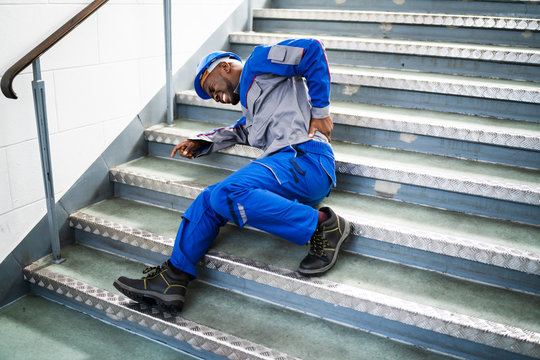
Examples of premises liability cases include:

  • Slip and fall accidents
  • Trip and fall accidents
  • Dangerous staircases or broken railings
  • Poor lighting in walkways or parking lots
  • Uneven sidewalks or pavement
  • Wet or slippery floors
  • Falling objects in stores or warehouses
  • Unsafe property maintenance

If an injury occurs because a property owner failed to address a known hazard or should have reasonably known about the danger, the injured person may be able to pursue a premises liability lawsuit.

Proving a Premises Liability Claim in California

To succeed in a premises liability case, an injured victim generally must show that:

  • The property owner owed a duty to maintain safe conditions
  • A dangerous condition existed on the property
  • The property owner knew or should have known about the hazard
  • The property owner failed to repair or warn about the condition
  • The dangerous condition caused the injury

Evidence in these cases may include surveillance footage, maintenance records, photographs of the hazard, witness statements, and expert testimony.

A skilled California premises liability lawyer can help gather the evidence needed to build a strong claim.

Our Process

We handle every step so you can focus on healing

01
Compassionate Consultation

We listen and evaluate your case with sensitivity.

02
Thorough Investigation

We gather evidence to establish liability and damages.

03
Build Your Case

Expert testimony and documentation of all losses.

04
Pursue Justice

Aggressive negotiation or trial to maximize recovery.

Frequently Asked Questions

Common questions about premises liability cases

What is a premises liability claim in California?

A premises liability claim arises when someone is injured due to unsafe conditions on another person’s property. Property owners have a legal duty to maintain safe conditions and may be held responsible when their negligence causes injuries.

What should I do after a slip and fall accident?

If you are injured in a slip and fall accident, seek medical attention immediately. You should also document the hazardous condition by taking photographs if possible and report the incident to the property owner or manager. Consulting a California slip and fall lawyer can help you understand your legal options.

Can I sue if I trip and fall on someone else’s property?

Yes. If a trip and fall accident occurs because a property owner failed to fix or warn about a dangerous condition, the injured victim may be able to pursue compensation through a premises liability claim.

How long do I have to file a premises liability lawsuit in California?

In most cases, the statute of limitations for premises liability lawsuits in California is two years from the date of the injury. Claims involving government property may have shorter deadlines.

What damages can I recover after a slip and fall injury?

Victims may be able to recover compensation for:

  • Medical expenses
  • Future medical care
  • Lost wages
  • Pain and suffering
  • Emotional distress
  • Long-term injuries or disability

A premises liability attorney can help evaluate the full value of a claim.

Schedule Your Free Consultation

No cost. No obligation. No fees unless we win.

    Phone Number

    Email Address

    Type of Incident

    How Did You Hear About Us?

    Briefly Describe Your Situation

    View our Privacy Policy and Terms of Service.