
Car Accident Recovery Guide
Step-by-step guide on what to do immediately after a car accident, from documenting the scene to negotiating with insurance.
Expert guides, articles, and FAQs to help you understand your injury claim and rights.

Step-by-step guide on what to do immediately after a car accident, from documenting the scene to negotiating with insurance.
How to properly document a slip and fall incident to strengthen your legal claim. Includes photography tips and witness information form.
Essential medical records and documentation you’ll need to maximize your injury claim and prove damages.

Answers to the most common questions we receive from injury victims about claims, settlements, and the legal process
What you need to know about how insurance companies try to minimize payouts and how we counter their strategies.
When should your case settle? What are the advantages and disadvantages of going to trial? We explain the decision-making process.























When should your case settle? What are the advantages and disadvantages of going to trial? We explain the decision-making process.
A settlement is a voluntary agreement between the parties to resolve the case for an agreed sum, avoiding a trial. A trial verdict is a decision rendered by a judge or jury after both sides present their evidence. Settlements provide certainty and speed; trials offer the potential for larger awards but carry greater risk and time.
A fair settlement should account for all past and future medical expenses, lost wages, diminished earning capacity, pain and suffering, and any other documented losses. Our attorney carefully evaluates every offer against the full value of your claim before advising you to accept or reject it.
Settlements provide a guaranteed outcome, faster resolution (often months vs. years), lower legal costs, reduced emotional stress, and privacy — trial proceedings are public record. For many clients, a well-negotiated settlement delivers fair compensation without the uncertainty of a jury.
Going to trial may be appropriate when the defendant refuses to offer fair compensation, when liability is clear and the evidence is strong, or when the defendant’s conduct was egregious enough that punitive damages may be available. We advise clients honestly about the risks and realistic outcomes before making this decision.
Yes. Trials carry inherent uncertainty. A jury may award less than the settlement offer, or even find in favor of the defendant. That is why thorough case preparation and a frank assessment of the evidence is essential before deciding to proceed to trial.
Personal injury trials in California can take one to three years or longer from the date of filing, depending on court congestion and case complexity. Settlement negotiations can often resolve cases in a matter of months, though serious injury cases may take longer to fully assess damages.
If the defendant is uninsured or has insufficient assets, collecting a judgment can be difficult. This is why we investigate insurance coverage and defendant assets early in every case, so you have realistic expectations about recovery before pursuing litigation.
What you need to know about how insurance companies try to minimize payouts and how we counter their strategies.
Insurance companies offer fast, low settlements because they know injured victims may not yet understand the full extent of their injuries or long-term costs. Once you sign a release, you permanently waive your right to seek further compensation — even if your condition worsens.
Yes. Insurance adjusters are trained to ask leading questions and record your answers. Even a casual comment like “I’m feeling okay” can be used to minimize your claim. Never give a recorded statement without first speaking to an attorney.
Insurance companies frequently argue that your injuries were caused by a pre-existing condition rather than the accident. Under California’s “eggshell plaintiff” doctrine, defendants are liable for the full extent of harm they cause, even if the victim was more susceptible to injury due to a prior condition.
A lowball offer is an initial settlement that falls far short of fair compensation. Insurers know that many unrepresented claimants will accept the first offer out of financial pressure. Our attorney assesses the true value of your claim — including future medical expenses and pain and suffering — before any negotiations begin.
Yes, and it happens regularly. Common reasons include disputed liability, missed deadlines, or insufficient documentation. If your claim is denied, an experienced attorney can challenge the denial and, if necessary, pursue litigation to recover the compensation you are owed.
Insurance bad faith occurs when an insurer unreasonably denies a valid claim, delays payment without justification, or fails to conduct a proper investigation. California law allows policyholders to sue insurers for bad faith, potentially recovering damages beyond the original policy limits.
Answers to the most common questions we receive from injury victims about claims, settlements, and the legal process.
A personal injury claim is a legal case brought by someone who has been physically or psychologically injured due to another party’s negligence, recklessness, or intentional misconduct. Common claims include car accidents, slip and falls, dog bites, and workplace injuries.
In California, the statute of limitations for most personal injury cases is two years from the date of injury. However, there are exceptions — for example, claims against government entities require a notice of claim within six months. It’s critical to consult an attorney as soon as possible to protect your rights.
Injured victims may be entitled to economic damages (medical bills, lost wages, future medical care, lost earning capacity) and non-economic damages (pain and suffering, emotional distress, loss of enjoyment of life). In cases of extreme misconduct, punitive damages may also be available.
While you are not legally required to hire an attorney, studies consistently show that injury victims who work with a personal injury lawyer receive significantly higher settlements than those who handle claims on their own. An attorney handles negotiations, gathers evidence, and ensures you are not pressured into a lowball offer.
Seek medical attention right away, even if you feel fine — some injuries are not immediately apparent. Document the scene with photos, collect witness contact information, file a police report if applicable, and avoid giving recorded statements to insurance adjusters before consulting an attorney.
Fault is determined by examining evidence such as police reports, witness statements, surveillance footage, medical records, and expert testimony. California follows pure comparative negligence, meaning fault can be split between multiple parties.
The vast majority of personal injury cases — approximately 95% — are settled before trial. However, we prepare every case as if it will go to trial, which gives us the leverage to negotiate the best possible settlement for you.

Essential medical records and documentation you’ll need to maximize your injury claim and prove damages.
MEDICAL DOCUMENTATION CHECKLIST FOR INJURY CLAIMS
WHY MEDICAL DOCUMENTATION IS CRITICAL
Insurance companies only pay for injuries you can prove. Complete medical documentation is essential to recover the compensation you deserve.
IMMEDIATE MEDICAL CARE DOCUMENTATION
☐ Emergency Room Records
☐ Ambulance Records (if applicable)
☐ First Doctor Visit
ONGOING TREATMENT DOCUMENTATION
☐ All Doctor Visits
☐ Specialist Consultations
☐ Diagnostic Tests
☐ Physical Therapy Records
☐ Surgical Records
MEDICATION DOCUMENTATION
☐ Prescription Records
☐ Over-the-Counter Medications
MEDICAL BILLING DOCUMENTATION
☐ All Medical Bills
☐ Insurance Statements
WORK-RELATED DOCUMENTATION
☐ Lost Wages
☐ Work Restrictions
PERSONAL INJURY JOURNAL
Keep a daily record including:
☐ Pain Levels
☐ Activity Limitations
☐ Emotional Impact
☐ Treatment Compliance
PHOTOGRAPHIC EVIDENCE
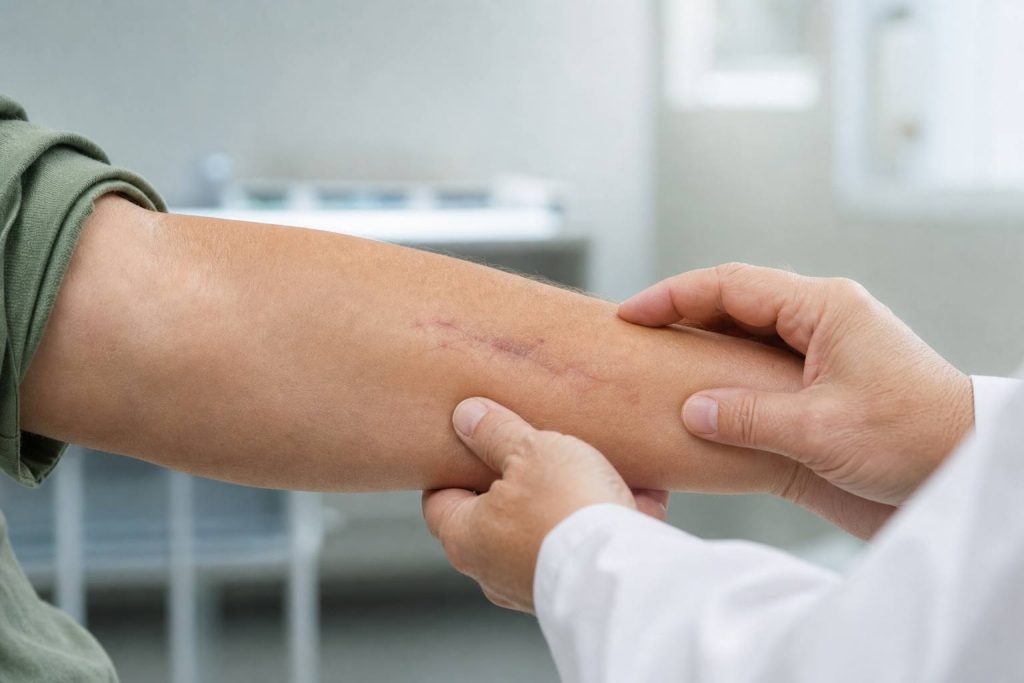
☐ Injury Photos
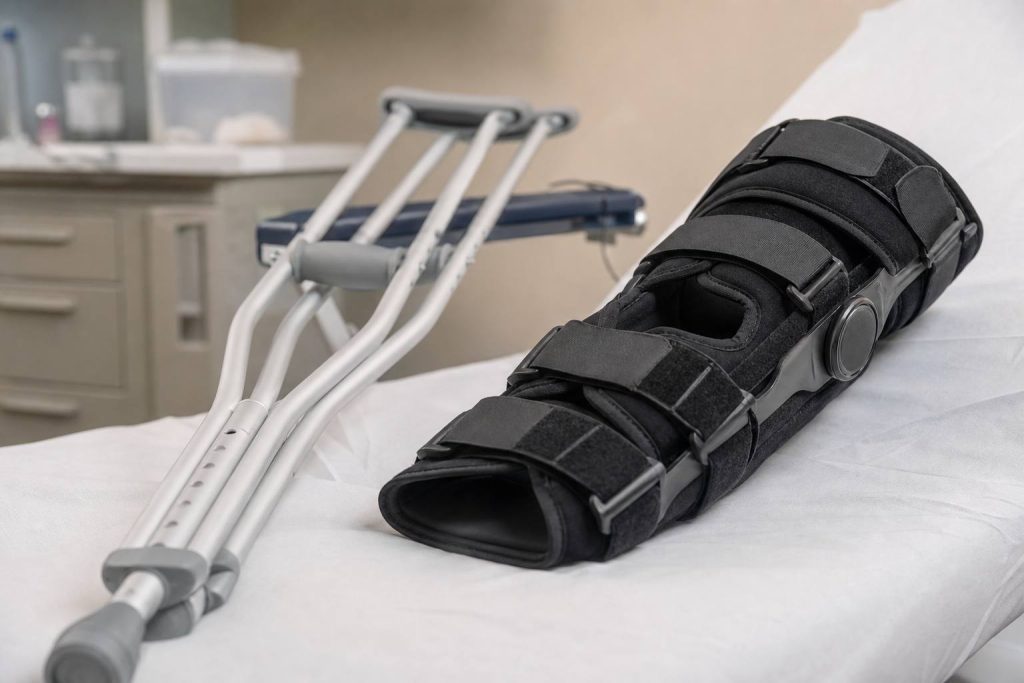
☐ Medical Equipment
FUTURE MEDICAL NEEDS
☐ Long-term Treatment Plans
☐ Expert Medical Opinions
ORGANIZING YOUR RECORDS
HOW TO OBTAIN YOUR MEDICAL RECORDS
COMMON DOCUMENTATION MISTAKES TO AVOID
✗ Delaying medical treatment
✗ Missing appointments
✗ Not following doctor’s orders
✗ Gaps in treatment
✗ Downplaying symptoms to doctors
✗ Forgetting to report all injuries
✗ Not keeping receipts
✗ Posting on social media about activities
WHY COMPLETE DOCUMENTATION MATTERS
Insurance companies look for any reason to deny or minimize your claim. Complete medical documentation proves:
LET US HELP
At Praxion Law, we:
✓ Help you obtain all necessary medical records
✓ Organize your documentation for maximum impact
✓ Work with medical experts to prove your damages
✓ Ensure no expense is overlooked
✓ Fight for full compensation for all your losses
FREE CONSULTATION
Call 310-896-8900 today to discuss your case with an experienced personal injury attorney.
No fees unless we win your case.
How to properly document a slip and fall incident to strengthen your legal claim. Includes photography tips and witness information form.
SLIP AND FALL DOCUMENTATION GUIDE
WHY DOCUMENTATION MATTERS
Slip and fall cases require strong evidence to prove the property owner’s negligence. Proper documentation can make or break your case.
IMMEDIATE ACTIONS AT THE SCENE
Document what caused you to fall:
Take photos immediately, if possible:
MEDICAL DOCUMENTATION
Common slip and fall injuries include:
ONGOING DOCUMENTATION
Record:
ESTABLISHING LIABILITY
To win a slip and fall case, you must prove:
COMMON DEFENSES TO EXPECT
STATUTE OF LIMITATIONS
In California, you have 2 years from the date of injury to file a premises liability lawsuit.
WHAT COMPENSATION CAN YOU RECOVER?
WHY YOU NEED AN ATTORNEY
✓ Property owners and insurance companies will try to minimize or deny your claim
✓ We know how to prove negligence and liability
✓ We handle all investigations and evidence gathering
✓ We negotiate with insurance adjusters on your behalf
✓ We take cases to trial when necessary
✓ Free consultation – no fees unless we win
Don’t let the property owner’s insurance company take advantage of you. Contact Praxion Law today for a free case evaluation.
Call now: 310-896-8900
Step-by-step guide on what to do immediately after a car accident, from documenting the scene to negotiating with insurance.
WHAT TO DO IMMEDIATELY AFTER A CAR ACCIDENT
Get from all drivers involved:
STATUTE OF LIMITATIONS
In California, you generally have 2 years from the date of the accident to file a personal injury lawsuit. Don’t wait – evidence disappears and witnesses’ memories fade.
WHAT COMPENSATION ARE YOU ENTITLED TO?
WHY HIRE PRAXION LAW?
✓ Decades of experience with car accident cases
✓ Millions recovered for injured clients
✓ Free consultation with no obligation
✓ No fees unless we win your case
✓ We handle all paperwork and negotiations
✓ Aggressive representation against insurance companies
Don’t face the insurance companies alone. They have teams of lawyers working to minimize your payout. You deserve an experienced advocate fighting for your rights.
Call us today for your FREE consultation: 310-896-8900